Confidential Client
Midwest USA
Power & Energy
Pilot Plant Development for a Renewable Energy Processing Facility
Overview
A Renewable Energy Company specializes in developing and operating projects that convert renewable resources into valuable energy products, helping reduce waste streams while supporting domestic energy production. As demand for alternative energy sources continues to grow, organizations like this play an increasingly important role in advancing sustainable energy solutions and supporting the transition to a more diversified energy portfolio.
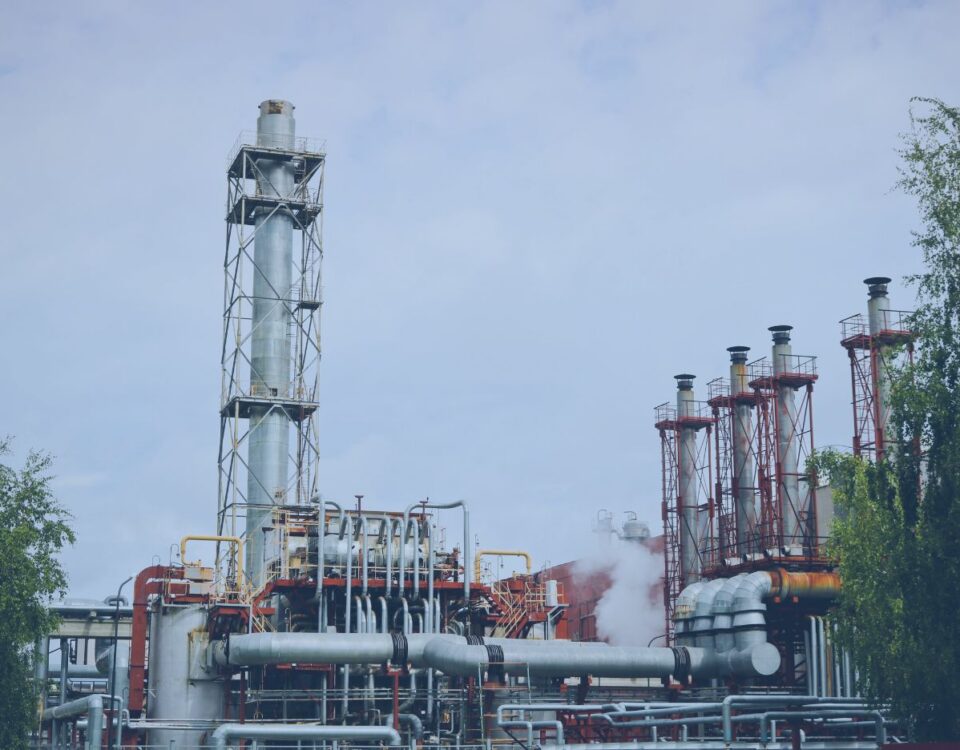
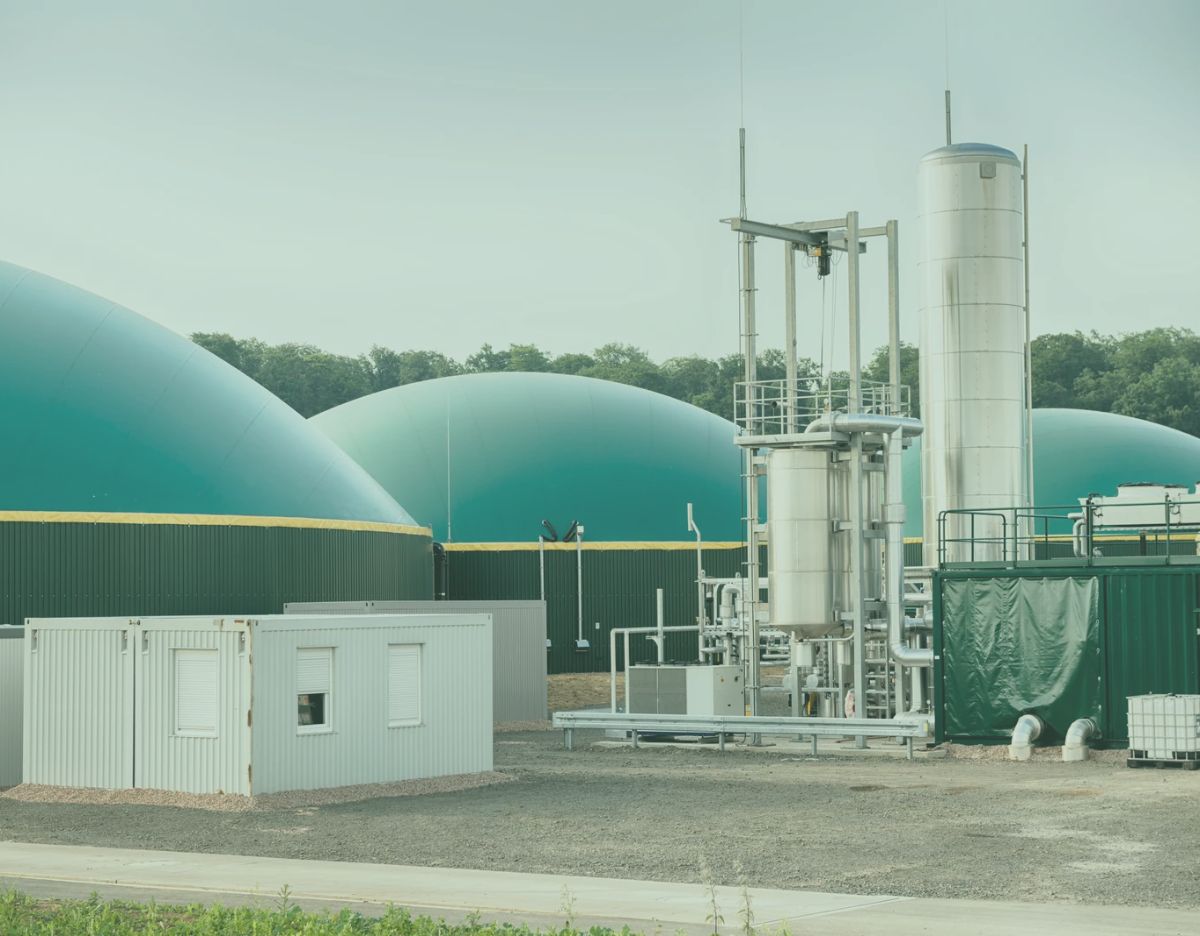
To support the continued development of emerging renewable energy technologies, the company initiated the design and implementation of a pilot-scale processing facility, incorporating a microturbine energy system and supporting process infrastructure. The objective was to validate a new processing approach, demonstrate proof of concept, and establish a foundation for future commercial-scale deployment.
Nexus Engineering Group was engaged to provide multi-discipline engineering services for the project, supporting process development, equipment integration, detailed engineering, and design coordination. The project required the development of a highly specialized facility that combined solids material handling, liquid and gas separation systems, thermal processing equipment, utility systems, and a microturbine generator installation within a compressed development schedule. Throughout the project, Nexus worked closely with the client, equipment vendors, and project stakeholders to advance engineering while accommodating ongoing design evolution and pilot testing requirements.
Challenges
The project presented several unique challenges that differentiated it from more conventional industrial engineering efforts.
One of the primary challenges was the novelty of the technology and process itself. At the time of development, the renewable energy application being evaluated remained relatively new within the industry, meaning there was limited operating history, reference designs, and readily available performance data. The pilot facility was intended to prove the viability of the process, creating additional pressure to deliver a flexible and technically sound design capable of supporting operational testing and future expansion considerations.
The project also required Nexus to integrate multiple engineering disciplines in ways that extended beyond typical process facility design. While many industrial projects focus primarily on liquid and gas processing systems, this facility required a thorough understanding of both solids material handling and liquid/gas separation operations. The interaction between these systems introduced additional complexity in equipment selection, process flow development, and operational reliability.
Another significant challenge involved frequent design changes throughout project execution. As the pilot process evolved and new information became available, engineering assumptions and facility requirements continued to be refined. The team was tasked with progressing engineering, detailing, procurement support, and construction planning while simultaneously incorporating ongoing modifications.
Equipment integration presented its own set of challenges. Several pieces of existing equipment were evaluated for reuse, requiring extensive engineering reviews and collaboration with the client to determine whether the equipment could reliably support process objectives. Nexus worked through numerous alternatives, ultimately helping stakeholders evaluate when purpose-built equipment would provide greater long-term value and improve the likelihood of successful operation.
The project also demanded extensive coordination with equipment suppliers whose technologies had been adapted for applications beyond their traditional markets. This required significant vendor engagement, technical reviews, and performance validation efforts to ensure all equipment would function cohesively within the overall process design.
Solution
Nexus addressed these challenges through a highly collaborative and integrated engineering approach focused on communication, technical flexibility, and proactive problem-solving.
Given the evolving nature of the pilot facility, the project team implemented frequent design reviews, coordination meetings, and interdisciplinary workshops to maintain alignment among stakeholders. This structured communication process enabled engineering decisions to be evaluated quickly and efficiently while minimizing the impact of ongoing design changes.
A key differentiator was Nexus' ability to bridge multiple engineering disciplines while supporting a first-of-its-kind application. The team successfully integrated solids handling systems, liquid and gas processing equipment, thermal systems, utility infrastructure, and microturbine installation into a coordinated facility design. Through detailed 3D modeling and multi-discipline coordination, Nexus identified potential conflicts early and ensured equipment accessibility, maintainability, and operational functionality were considered throughout development.
Nexus also played a critical role in managing vendor coordination and equipment integration. Working closely with manufacturers and suppliers, the team evaluated specialized equipment configurations, installation requirements, and process performance considerations to ensure the facility could meet operational objectives. This included supporting unique equipment applications, developing custom interconnecting components, designing specialized support systems, and addressing challenges related to high-temperature equipment, ductwork, piping, flexible connections, dust collection systems, and material handling equipment.
As design requirements evolved, Nexus remained focused on maintaining project momentum. The team's ability to adapt engineering packages, evaluate alternative solutions, and coordinate closely with contractors and vendors allowed the project to continue advancing while preserving design quality and technical integrity.
Outcome
Despite the complexity of the process, ongoing design evolution, and limited industry precedent, Nexus successfully delivered a comprehensive engineering solution that positioned the facility for successful implementation and operational testing.
The project demonstrated Nexus' ability to support emerging renewable energy technologies and provide engineering leadership in developing innovative industrial processes. Through disciplined execution, strong vendor partnerships, and effective stakeholder coordination, the team successfully navigated technical uncertainty while maintaining progress toward project objectives.
The completed engineering package provided the client with a practical and constructible design that supported pilot-scale operations, technology validation, and future commercialization opportunities. The project also reinforced Nexus' capabilities integrating process engineering, mechanical design, structural engineering, electrical systems, and specialized equipment into a unified solution for complex industrial applications.
Services Provided
- Process engineering and process development support
- Detailed mechanical engineering
- Piping design and analysis
- Civil and structural engineering
- Electrical engineering
- Instrumentation and controls engineering
- 3D modeling and model coordination
- Equipment integration and vendor coordination
- Structural steel and foundation design
- Pipe stress analysis
- Ductwork and support design
- Construction package development
- Technical reviews and design workshops
- Installation support and constructability reviews
- Multi-discipline engineering coordination
Project Director