Confidential Client
Midwest USA
Chemicals, Manufacturing, Refining
Overview
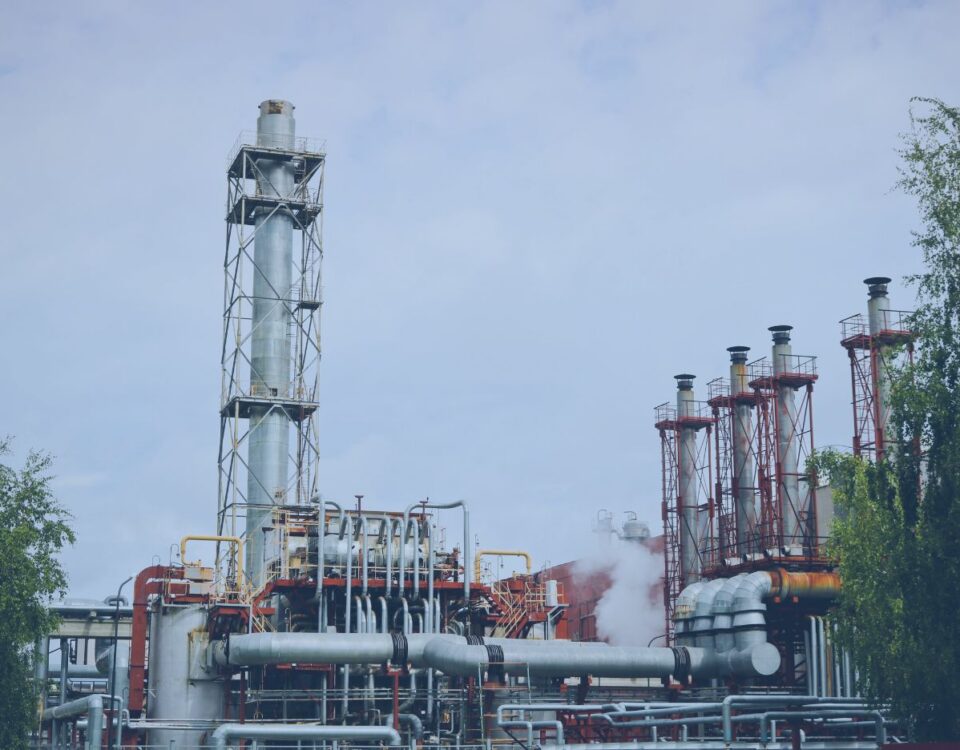
One of the world’s largest chemical producers operates a major manufacturing facility where dependable structural systems are essential to supporting safe and reliable operations. As industrial facilities age, understanding the structural condition of assets becomes increasingly important for identifying deterioration, prioritizing repairs, and making informed maintenance and capital-planning decisions.
The client initiated a condition assessment of one of their plants to evaluate known deterioration involving the building framing, walls, equipment-support structures, cranes, and a locked-out monorail supported by a wall section already known to be in poor condition. The assessment area also included steel surrounding the sand mills and previously rebuilt structural bays.
The goal was to provide a formal structural assessment of the existing steel, identify where repairs or replacements were needed, and establish a reliable foundation for repair planning and engineering. Nexus’ overall project scope included field inspection, a formal condition assessment report, structural calculations, repair drawings, contractor bid documentation, shop drawing review, and construction support.
Challenge
Although structural condition assessments are common at industrial facilities, translating a large number of individual observations into a clear and actionable repair strategy can be difficult.
Traditional structural assessment reports often rely heavily on narrative descriptions supported by photographs. While these reports document visible deterioration, they may not provide the quantifiable information needed to communicate the relative significance of each finding, particularly to corporate stakeholders and financial decision-makers who are not regularly at the facility.
The Nexus team needed to create a consistent method for documenting structural defects, classifying findings using standardized language, and ranking conditions according to the level of risk they presented. The final report also needed to help the client distinguish routine coating and maintenance needs from conditions that required further evaluation, engineered repair, or replacement.
Field conditions added another layer of complexity. The assessment had to be coordinated around ongoing plant operations, maintenance personnel, heightened site-security requirements, additional personal protective equipment requirements, and restrictions on photography. Access was limited to grade and existing working surfaces. Lift operation, scaffolding, fall-protection work, ultrasonic testing, and gauge measurements were outside the assessment scope.
The team also needed to organize a high volume of observations and photographs and deliver a clear, usable report within four weeks of completing the fieldwork. The challenge was not simply documenting deterioration. It was turning the assessment findings into a defensible, risk-based repair strategy that could be understood by engineering, maintenance, operations, and corporate decision-makers.
Solution
Nexus developed a structured Condition Assessment Program that transformed individual field observations into a clear, risk-based decision-making tool.
Rather than delivering a traditional narrative report supported by an unstructured collection of photographs, Nexus created a comprehensive assessment framework that documented each structural element, identified visible deficiencies, classified deterioration mechanisms, evaluated severity and likelihood, and assigned a corresponding risk ranking. This approach allowed the client to clearly distinguish routine maintenance needs from conditions requiring further evaluation, engineered repair, or replacement.
The structural assessment covered a broad range of structural assets throughout the plant, including building framing, equipment-support structures, wall systems, cranes, and monorails. Each assessed element was connected to its physical location, photographs, documented conditions, damage mechanisms, engineering observations, risk score, and recommended actions. This created a consistent and traceable record of structural conditions across the project area.
To make the findings easier to understand and use, Nexus organized the information into an integrated reporting package that connected facility maps, an assessment register, individual condition summaries, photographs, and risk rankings. Each assessed element received a unique identification number that allowed users to move between its map location, register entry, and detailed assessment information.
This structure enabled maintenance, engineering, operations, and capital-planning stakeholders to quickly identify priority repair areas, understand the basis for each recommendation, and recognize broader deterioration patterns throughout the structure. By combining detailed field evaluation with a standardized risk-ranking methodology, Nexus gave the client a practical framework for prioritizing repairs, requesting funding, and planning future investments.
Outcome
Nexus completed the assessment phase on schedule and within budget. The final reporting register included 151 structural integrity assessments, ranging from lower-risk coating and maintenance findings to higher-risk conditions requiring additional evaluation or engineered repair or replacement.
Rather than receiving disconnected field notes, photographs, and narrative descriptions, the client received a clear, navigable report that presented each finding in a consistent format and prioritized the results according to risk. The deliverable gave stakeholders a quantified understanding of structural conditions and a stronger basis for determining where resources should be directed.
The client described the deliverable as a “clean and clear report” and immediately scheduled an internal meeting to request funding without needing to gather additional documentation or make fundamental updates to the report.
Ultimately, the assessment helped the client move from subjective observations of structural deterioration to a defensible, risk-based understanding of asset condition. The resulting report supports repair prioritization, funding justification, and longer-term capital planning while creating a consistent basis for future condition assessments.
Services Provided
- Structural steel condition assessment
- Visual field inspection
- Structural deficiency documentation
- Condition classification and risk ranking
- Assessment register development
- Structural calculations
- Repair prioritization and planning
- Repair drawings and construction documentation
- Contractor bid package development
- Shop drawing review
- Construction and RFI support
- Project management and coordination
Project Director